May 26, 2026
Solar energy is increasingly seen as a cornerstone in the global shift toward more sustainable energy sources. Despite its rising importance in mitigating climate change and reducing reliance on fossil fuels, many misconceptions persist about solar energy. These misconceptions can act as barriers to wider adoption, making it essential to confront and dispel them for a more informed public and policy-making landscape. If you're thinking about investing in panels with a local solar company, keep reading to learn more about these common misconceptions.
Misconception 1. Solar Energy Is Too Expensive
Understanding the Initial Investment vs. Long-term Savings
Many people perceive solar energy as too costly, primarily due to the upfront investment required for purchasing and installing solar panels with a solar panel company. While the initial costs may be higher compared to conventional energy sources, the long-term savings often outweigh the initial expenditure. Once the system is operational, the ongoing costs are minimal, primarily involving maintenance and occasional repairs. According to This Old House, it typically takes nine to 12 years for solar panel energy savings to pay back the cost of a system, but these systems can last up to 25 years or more. As such, the significant savings achieved over the lifespan of the panels are considerable, making solar energy an economically viable option.
Advances in Technology Reducing Costs
Technological advancements play a crucial role in reducing the cost of solar energy. Improvements in solar panel efficiency and manufacturing processes have steadily driven down prices over the past decade. Innovations such as perovskite cells have increased energy capture while reducing production costs. As technology continues to evolve, economies of scale resulting from mass production have further diminished installation and maintenance expenses. Collectively, these advancements are making solar power more affordable and accessible to a broader range of consumers.
Government Incentives and Subsidies
Government incentives and subsidies are critical factors that significantly mitigate the initial cost barrier associated with solar energy adoption. Tax credits, rebates, and grants are commonly offered at the federal and state levels to reduce the financial burden on homeowners and businesses investing in solar systems. Additionally, net metering policies allow solar energy users to receive credit for surplus power generated, further offsetting costs. These financial tools are not only encouraging increased adoption of solar technology but are also contributing to a growing market that is becoming increasingly competitive. Hence, potential buyers should investigate local policies to take advantage of available support.
Cost Comparison With Traditional Energy Sources
Over time, solar energy has become increasingly competitive compared to traditional energy sources like coal, oil, and natural gas. Initial investments aside, the operational costs associated with solar power are much lower, as it doesn't require the constant purchase of fuel. Additionally, environmental factors such as carbon taxes and regulatory measures targeting emissions bolster the economic attractiveness of solar as opposed to fossil fuels. While traditional energy prices are subject to market volatility, the cost of solar energy technology continues to decrease, resulting in a more stable and predictable energy cost over time. Consequently, investing in solar technology not only reduces energy bills but also shields consumers from fluctuating energy market prices.
Misconception 2. Solar Panels Are Ineffective in Cloudy or Cold Climates
Performance of Solar Panels in Various Weather Conditions
A common misconception about solar panels is their perceived ineffectiveness in cloudy or cold climates. In reality, solar panels function using daylight rather than direct sunlight, enabling energy production even on overcast days. While panels may generate slightly less power in such conditions, technological advancements have made modern panels highly efficient. Many northern regions, known for their cloudy weather, successfully leverage solar energy to meet a substantial portion of their electricity needs. Consequently, understanding that solar panels are effective under a range of weather conditions helps demystify their performance capabilities.
Solar Energy Generation in Winter Months
The belief that solar panels perform poorly during winter months is another myth that requires debunking. Although shorter daylight hours can reduce the daily energy output, cooler temperatures enhance solar panel efficiency. Any solar company can tell you that most modern solar equipment is designed to work effectively in a variety of temperature conditions, capitalizing on cold, crisp days. Furthermore, reflective properties of snow can increase sunlight exposure, inadvertently boosting electricity generation. Awareness of these factors allows potential users in colder climates to better understand the year-round viability of solar technology.
Atmospheric Factors Influencing Solar Efficiency
Atmospheric factors such as air quality, altitude, and humidity also influence solar panel efficiency and must be considered when evaluating system performance. Elevated levels of atmospheric particulates can inhibit solar radiation exposure, whereas higher altitudes enhance panel performance due to the thinner atmosphere. Low humidity levels contribute to decreased cloud coverage, facilitating greater light penetration. Understanding these factors enables more informed decision-making regarding the feasibility and optimization of solar panel installations in diverse environments. Ultimately, regional assessments provide a comprehensive understanding of how atmospheric conditions affect solar performance.
Misconception 3. Solar Panels Require Too Much Space
Flexible Installation Options for Limited Spaces
One of the prevailing myths about solar panels is the belief that they require extensive space for installation, limiting their application to large home properties or open land. Recent innovations have led to flexible installation options that enable solar adoption in space-limited environments. For example, compact solar panel designs and customized installations on rooftops or smaller structures make efficient use of available space. Vertical solar solutions, where panels are mounted on walls instead of roofs, further reflect this flexibility. As a result, a solar company can offer technology that is now more compatible with a variety of smaller living and working spaces.
Innovations in Panel Design and Efficiency
Technological advancements have significantly contributed to enhancing panel design and increasing efficiency without escalating physical size. Modern panels are more energy-efficient and can generate more electricity per square meter compared to older technologies. High-efficiency cells have higher power outputs, allowing them to achieve greater production in smaller configurations. Thin-film solar panels, which boast a sleek profile and adaptability, are ideal for irregular or small surfaces. These innovative designs accommodate various contexts while addressing concerns about space requirements for solar installations.
Urban and Rooftop Solar Installations
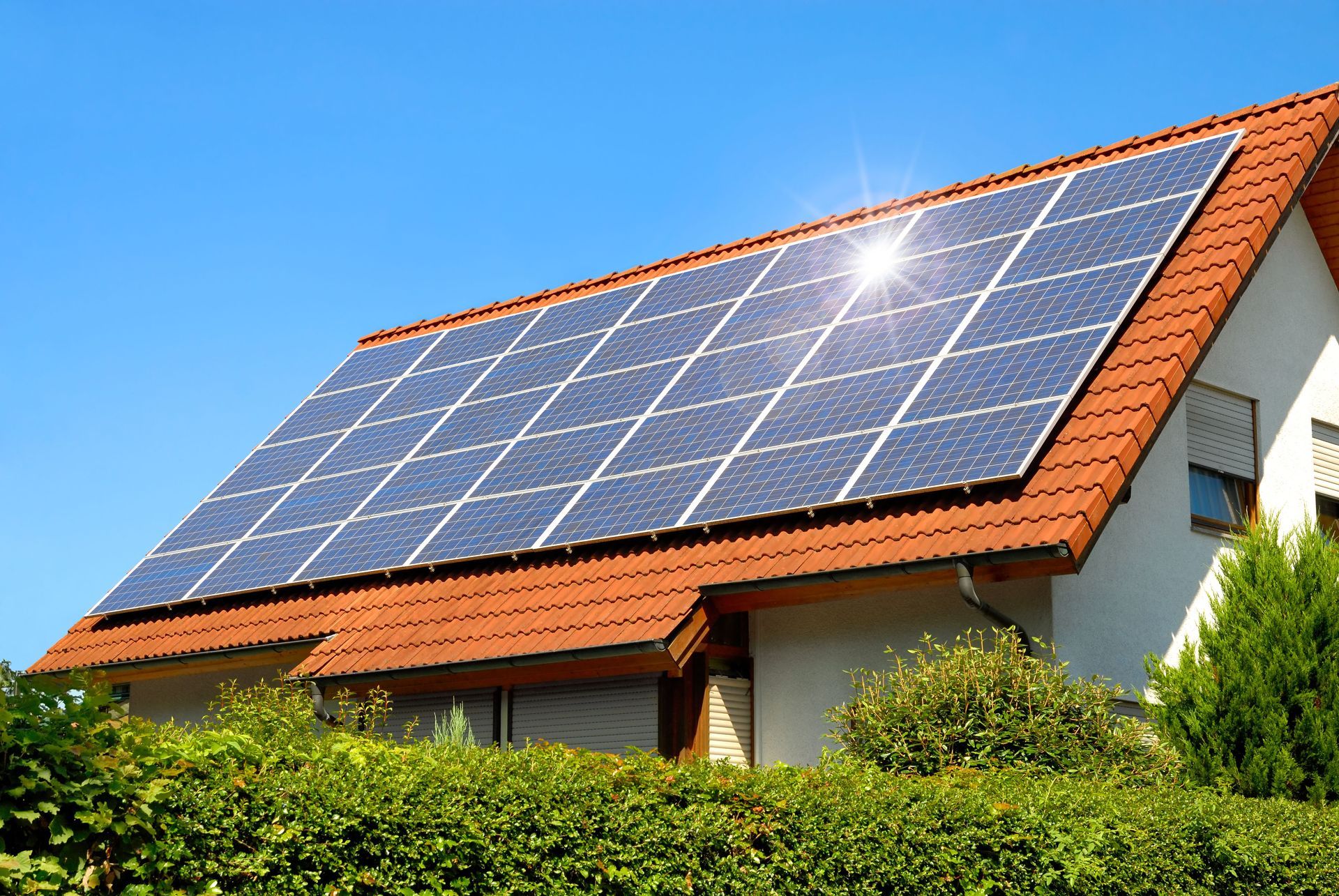
Solar technology is particularly well-suited for urban environments where space is at a premium. Rooftop installations make excellent use of otherwise underutilized space, turning city buildings into renewable energy hubs. Advances in building-integrated photovoltaics allow solar panels to blend seamlessly with architectural elements, such as windows and facades. This synergy maximizes energy production potential without necessitating additional land use. Consequently, urban installations play a crucial role in integrating solar energy into densely populated areas, contributing to decentralized power generation.
Vertical and Moveable Solar Solutions
As solar technology continues to innovate, vertical and movable solar solutions offer promising avenues for optimizing energy capture in space-constrained settings. Tracking systems that direct panels to follow the sun's path enhance daily energy harvest without requisite land expansion. Moreover, vertical installations benefit from solar panel design adaptation, effectively harnessing sunlight from building exteriors. Additionally, mobile solar units provide temporary energy solutions for construction sites, disaster relief, and events. Collectively, these strategies underscore the adaptability of solar technology, breaking down perceived spatial barriers.
Solar energy continues to gain momentum as more homeowners and businesses recognize its long-term value, reliability, and adaptability. By addressing common misconceptions about cost, climate performance, and space requirements, it becomes clear that modern solar technology is far more practical and accessible than many people realize. Working with a reliable local solar company like Green Leaf Solar & Electric can help you better understand your options and determine how solar energy can support your property, reduce energy expenses, and contribute to a more sustainable future. Reach out to us today to get started!